Letter from the Editors: For You Wrestle
“For you Wrestle”—Genesis 32:28
Dr. Sara Smith and Tara Ann Carter
Each year, the High Holidays invite us into a practice of reexamination – an opportunity to begin again, to renew, and to recalibrate. We take a magnifying glass to the past year and consider opportunities to advance. We identify the mistakes of our previous selves and commit to being better versions of ourselves, to surpassing.
In our classrooms during this season, conversations often turn to Maimonides’ Laws of Repentance and his formulation that complete repentance is realized not through remorse alone, but when one is confronted with the very same circumstance and chooses differently. True teshuvah is measured not by intention, but by real, observable altered behavior.
And yet, Jewish repentance is never framed solely as a private spiritual exercise. Much of the High Holiday liturgy is composed in the first-person plural. On Yom Kippur, we confess in plural, collectively: ashamnu, bagadnu — “we have sinned, we have betrayed.” Even the sins we did not personally commit are recited aloud as communal failures. The liturgy insists that moral responsibility cannot be entirely individualized.
“How do we balance potential individual betterment with potential communal degradation?”
Similarly, in schools the faculty, named in the plural, as a body is responsible for the dispensation of the academic program, relying not on one individual, but the collective contributions of the whole. AI complicates this model because it places an increasingly powerful tool for producing, interpreting, and even shaping knowledge in the hands of the individual. As thus, when we think about AI in Jewish education, we encounter this tension between the individual versus community in a tangible way. How do we balance the benefit to the individual against the detriment to the community?
AI promises extraordinary benefits to individuals: efficiency, accessibility, personalization, productivity, and in some cases, even companionship. Yet many of these same systems carry profound communal costs — the erosion of shared truth, the displacement of labor, the amplification of bias, the outsourcing of judgment, and the gradual weakening of distinctly human capacities. The central ethical question may not simply be what AI allows individuals to do, but what kind of society its widespread adoption is quietly shaping. In other words, how do we balance potential individual betterment with potential communal degradation?
As an educational institution, we have and continue to wrestle with our own obligations with regard to adopting AI. What is our responsibility toward our students? Our families? What about our duty to faculty and staff? As we consider not whether to allow use of AI, but how to allow use of AI, we consider what kinds of students and humans we are trying to cultivate. How do we align our goals as outlined in our Portrait of the Graduate with new and constantly evolving technologies and possibilities.
Wrestling is in our DNA as a Jewish people. After all, the very term “Yisrael” is the name given to the patriarch Jacob in the book of Genesis for “he wrestled with God and humans and prevailed.” In this first issue of Beit AI Magazine, you will read about this complex engagement with the world of AI and Jewish ethics.
About the Authors
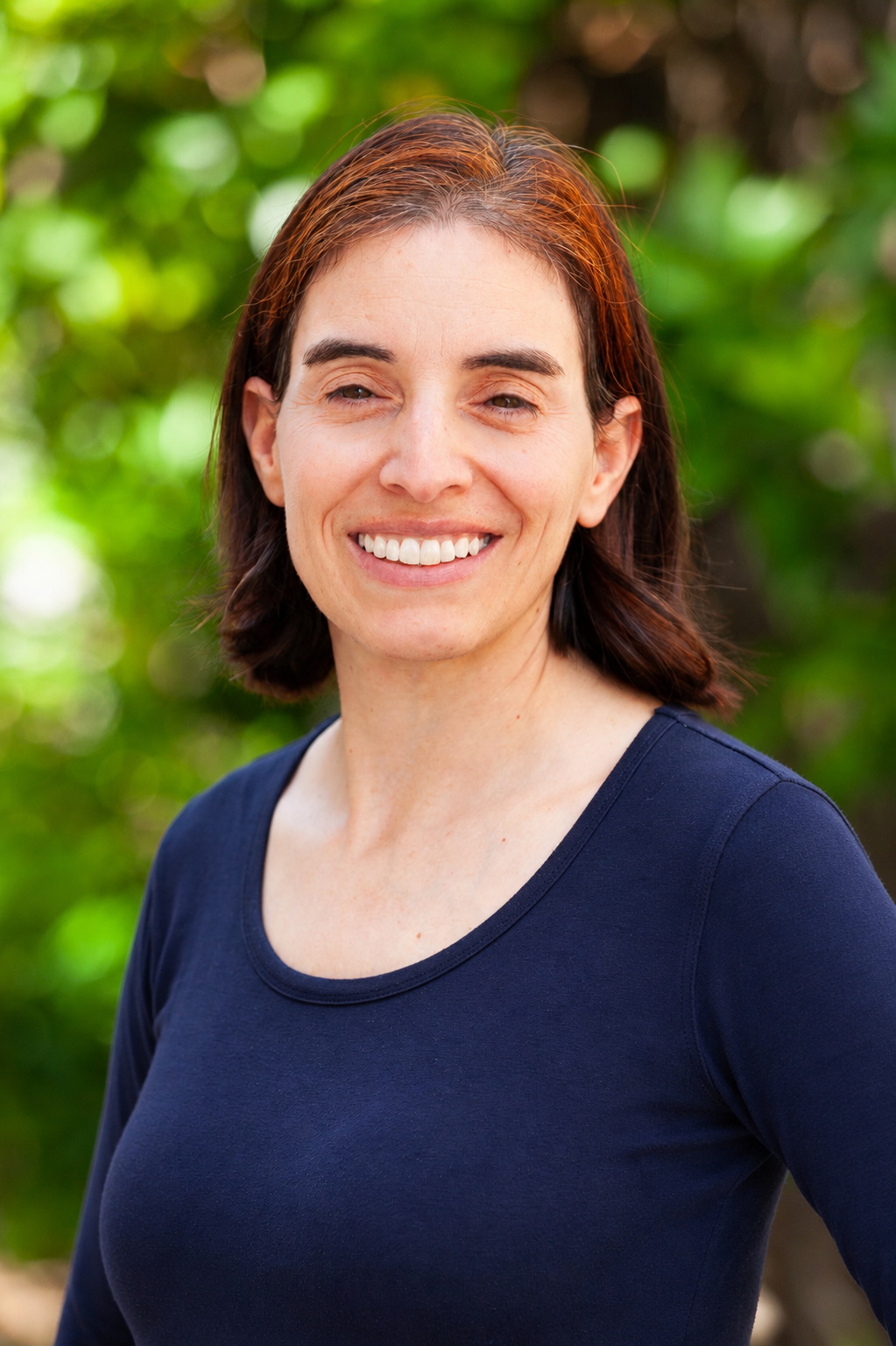
Dr. Sara Smith is the Director of Jewish Integration at Milken Community School, where she works with faculty to integrate Jewish ideas, values, and texts across curriculum and programs. She holds a Ph.D. in Education and Jewish Studies from New York University.
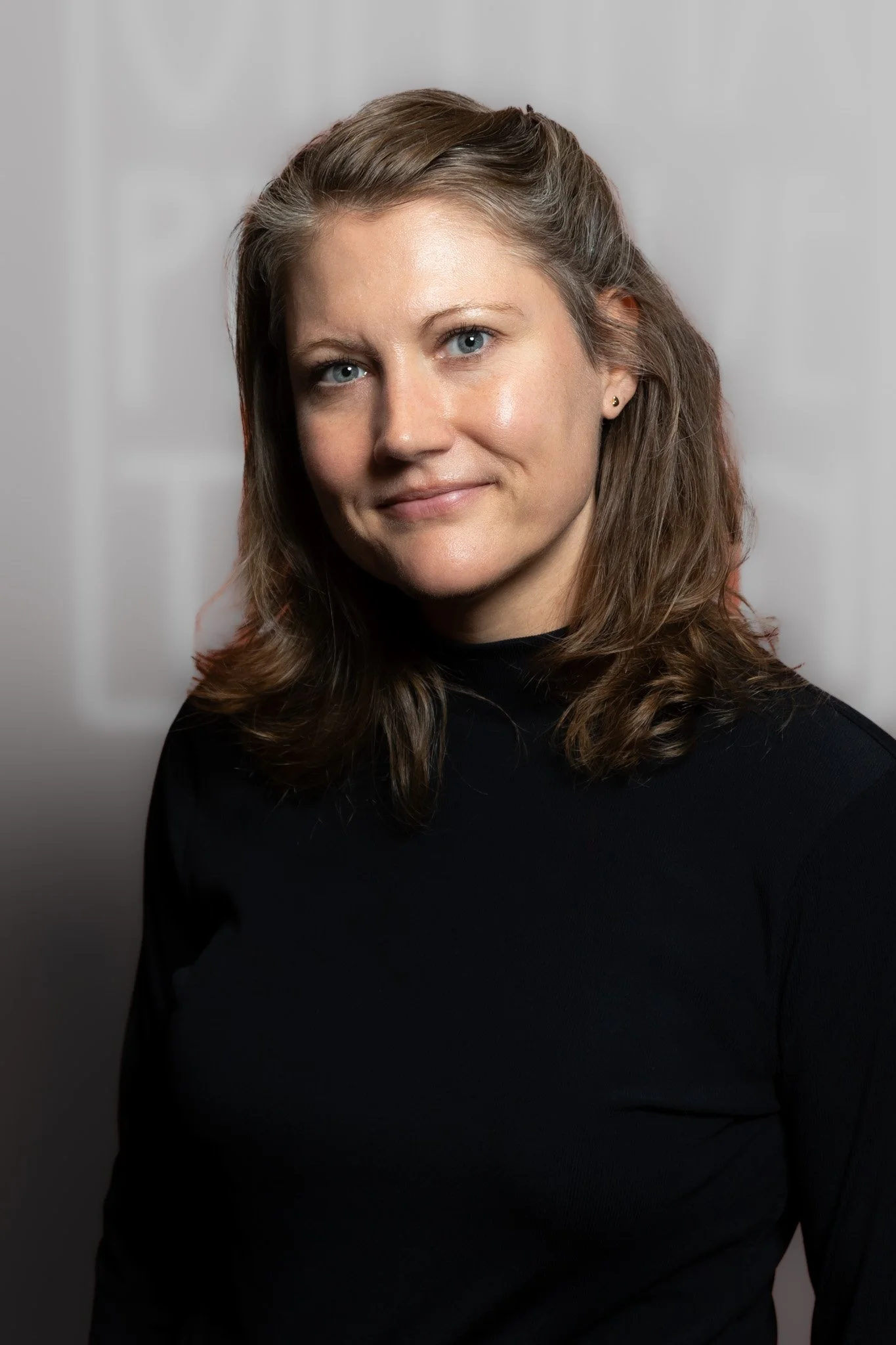
Tara Ann Carter is the Director of Educational Technology at Milken Community School, where she leads the school’s work in educational technology and AI integration through its signature program, Beit AI. She supports faculty in developing thoughtful approaches to emerging technologies and helps shape schoolwide strategy for AI literacy, teaching, and learning.
