Issue 1
September 2026 | Tishrei 5787
Driven by curiosity and built on purpose, this is where bold thinking meets thoughtful execution. Let’s create something meaningful together.
IN THIS ISSUE
Article 4
Article 5
Article 6
Article 1
Article 2
Article 3
Article 7
Article 8
Article 9
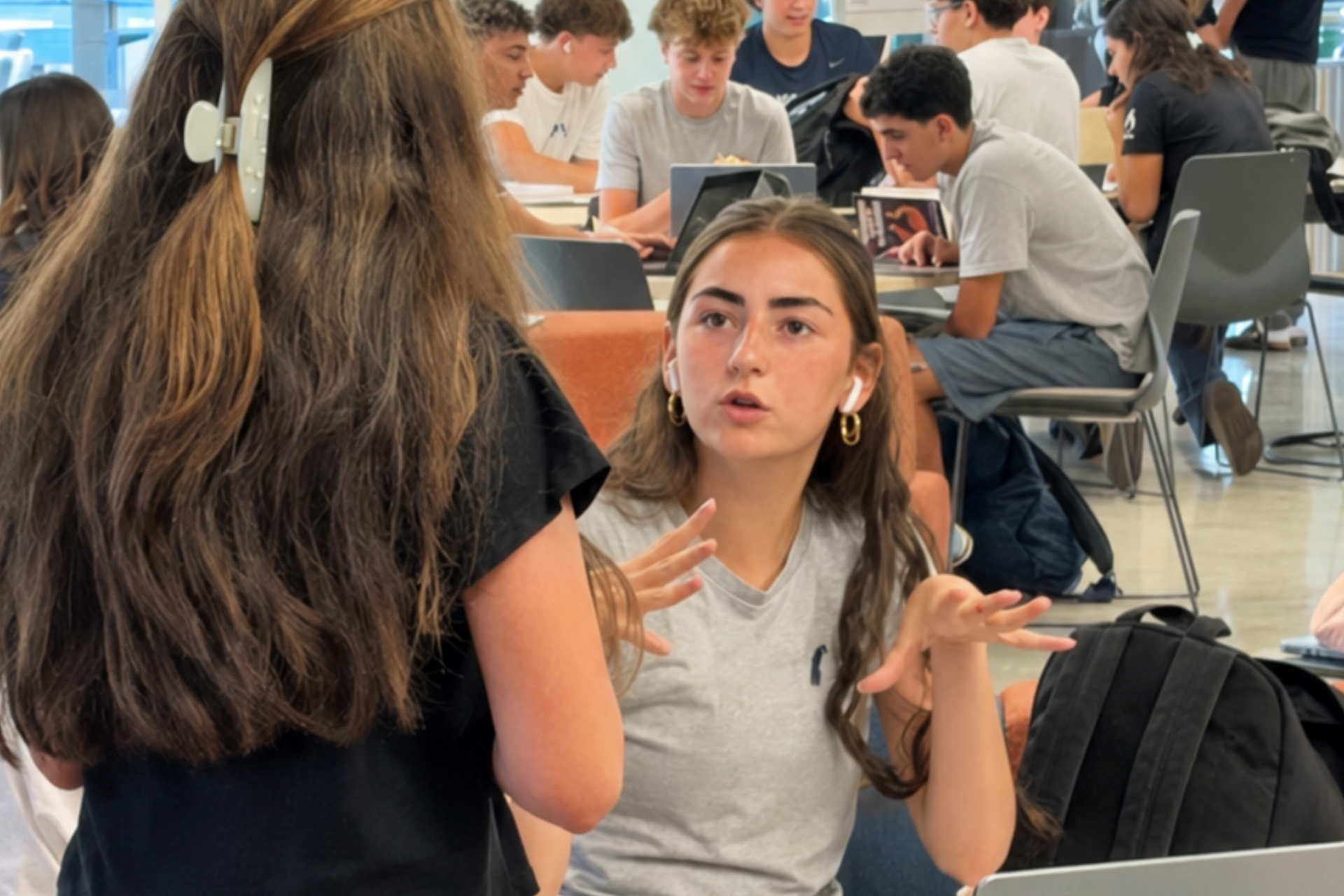
Letter from the Editors: For You Wrestle
Each year, the High Holidays invite us into a practice of reexamination – an opportunity to begin again, to renew, and to recalibrate. We take a magnifying glass to the past year and consider opportunities to advance. We identify the mistakes of our previous selves and commit to being better versions of ourselves, to surpassing.
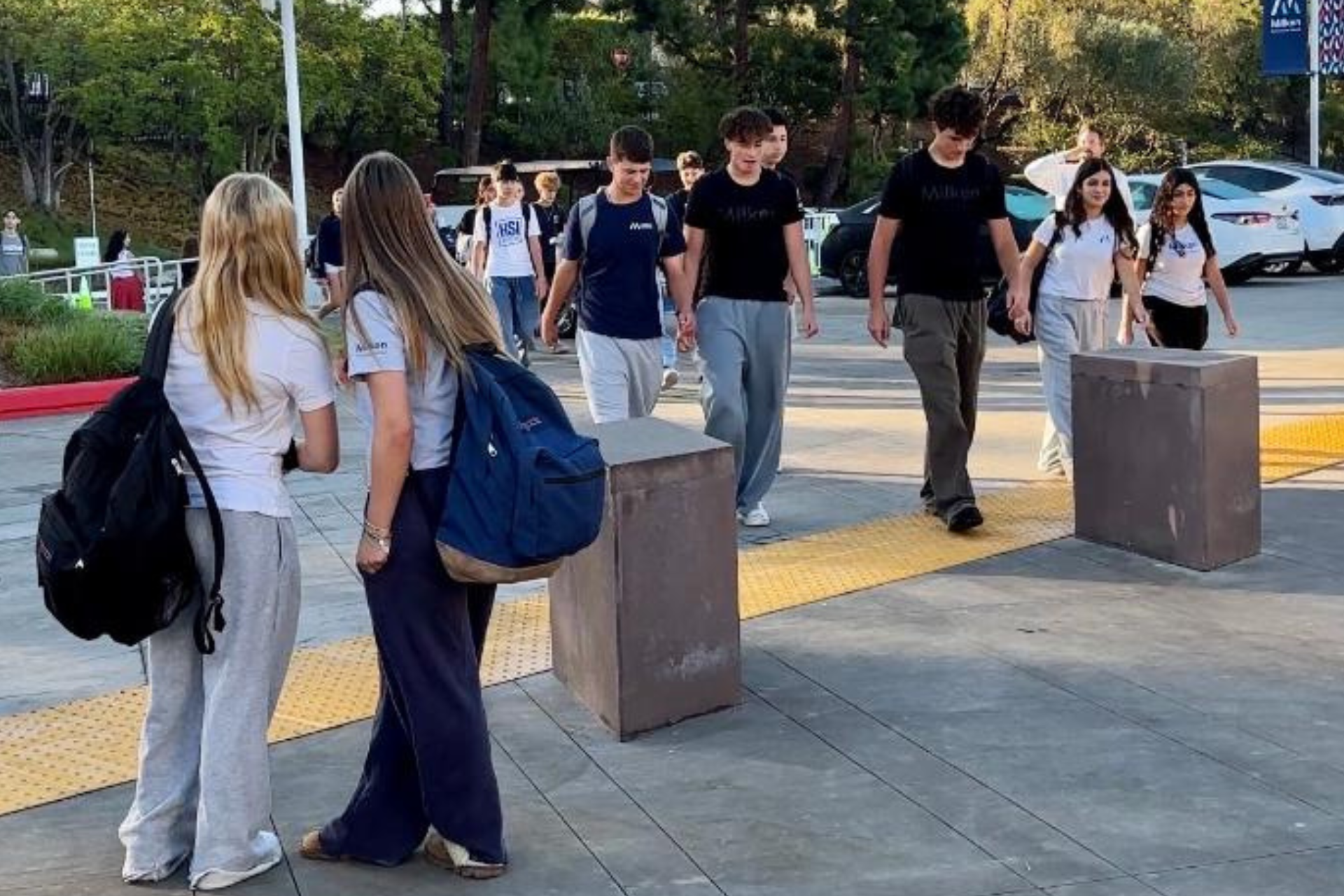
Keynote Article: Sanctifying the New
The seeds of school-wide innovation are so often planted by our children, and Beit AI is no exception. It was from conversations with and observations of our students that we first felt the seismic shift of AI, and it was from our students that we understood early on that we had two distinct choices when it came to generative AI: We could embrace it or we could resist it. Most schools, at the time, were doing the latter.

The Golem in the Schoolhouse
In the late sixteenth century, the Jewish community of Prague lived in an atmosphere of uncertainty and fear of persecution. According to legend, the community's leader, Rabbi Judah Loew — known as the Maharal — sought to protect his people by bringing a powerful human-like being into existence.
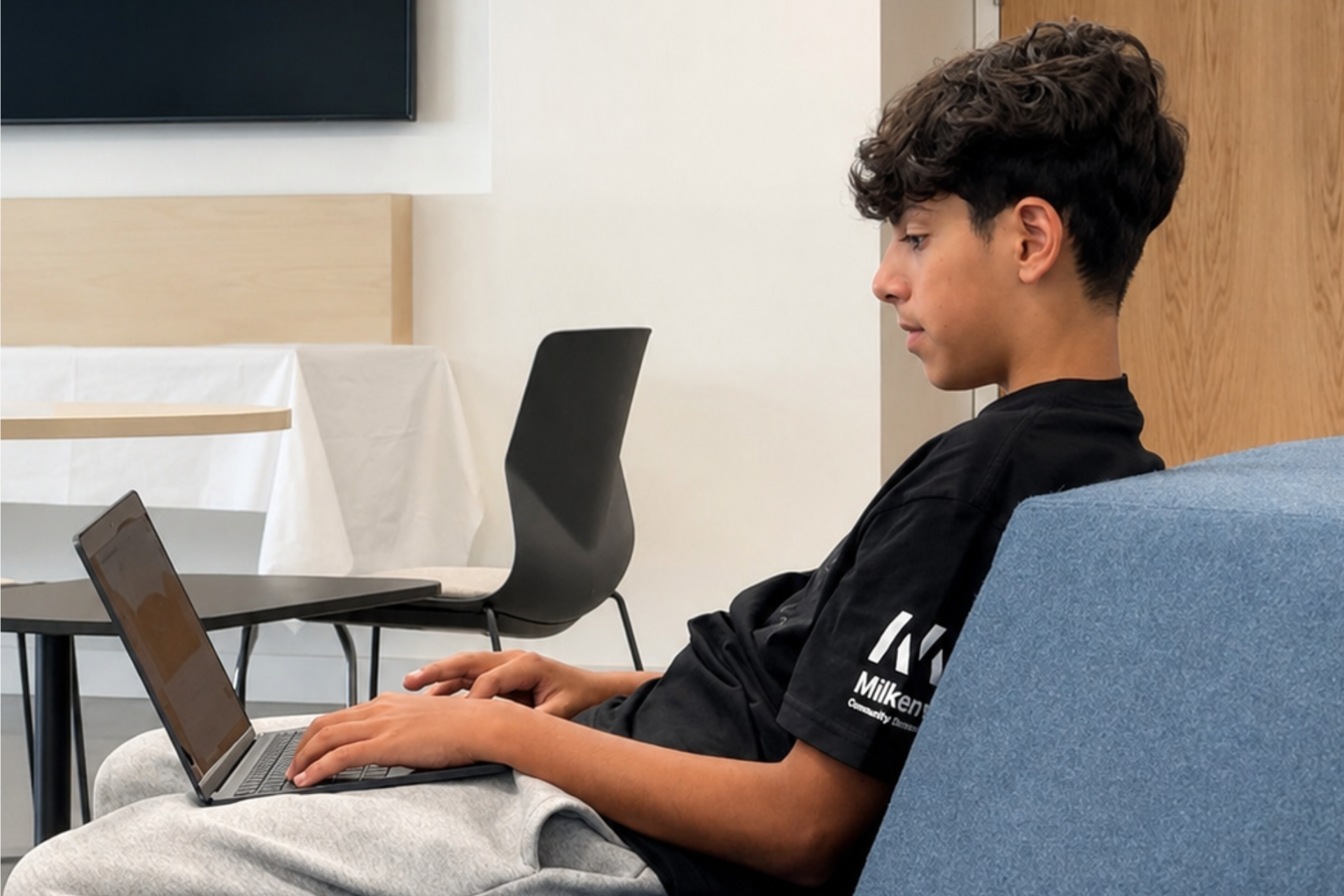
Everywhere is AI
In his nonfiction book Everything is Tuberculosis, John Green argues that tuberculosis is not only a disease of the body, but a pervasive and often hidden force that has shaped the world we live in.
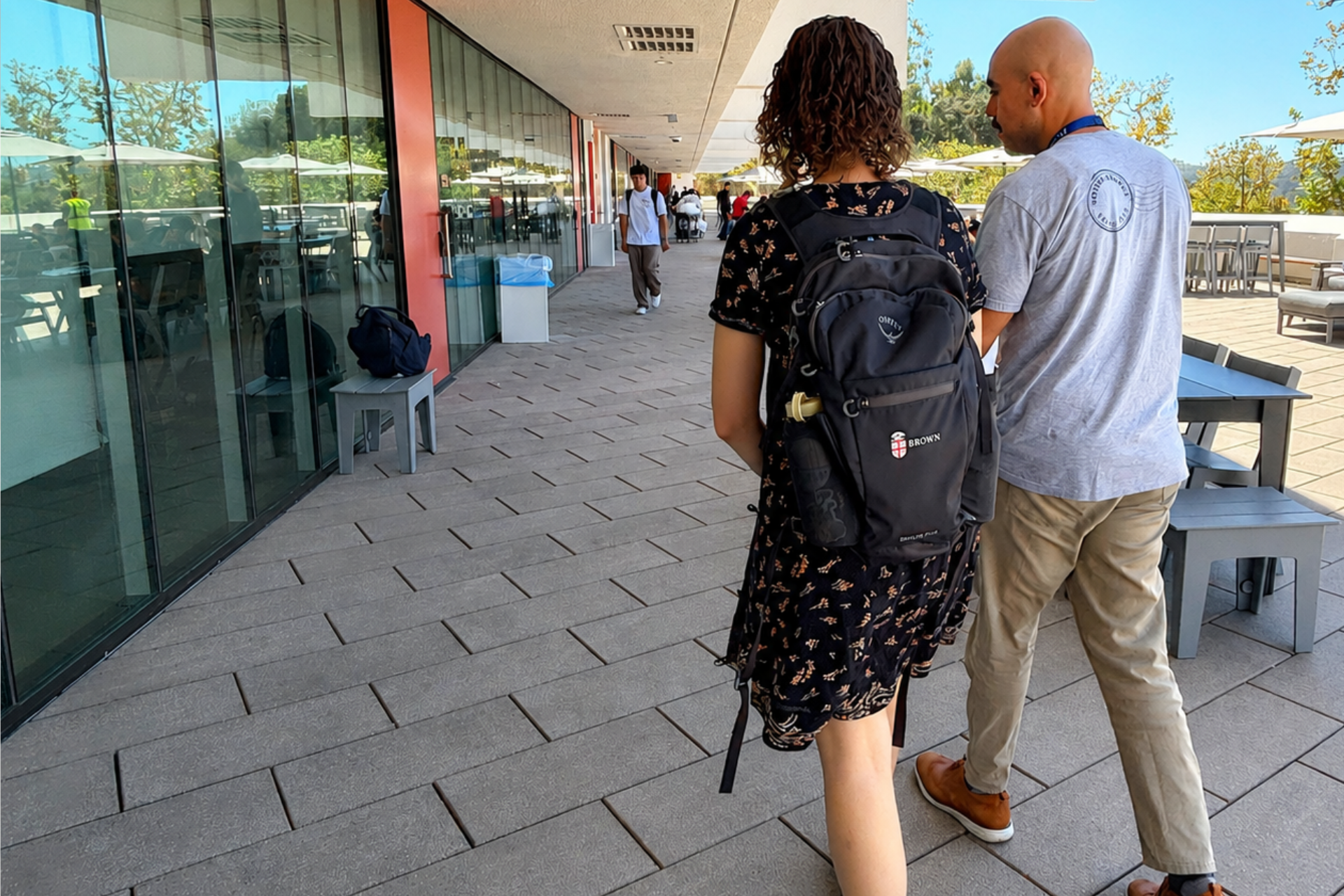
What Remains: AI, Admissions, and the Things We Cannot Fabricate
Every year, the High Holidays arrive as a kind of interruption — a pause built into the calendar that asks us to slow down before we speed up again. This year, I'm especially grateful for that interruption, because the conversation around AI in education and college admissions has moved fast, and speed is not always the same thing as clarity.

From the Classroom: AI and Art of Productive Struggle
People often ask me why I became a teacher. Sure, I have the noble answers that I fall back on: “It’s inspiring to work with young people,” or “I want to have an impact on my community.” But the real reason I went into teaching is because I couldn’t imagine my life without a summer break to reset.

Student Voice: “Keep Fahrenheit 451”
Written as an assignment for Mr. Plush’s 8th grade English class, this letter considers whether Fahrenheit 451 should remain part of the middle school grade. Noa connects Bradbury’s ideas about censorship, technology, and independent thinking to the world we live in now.
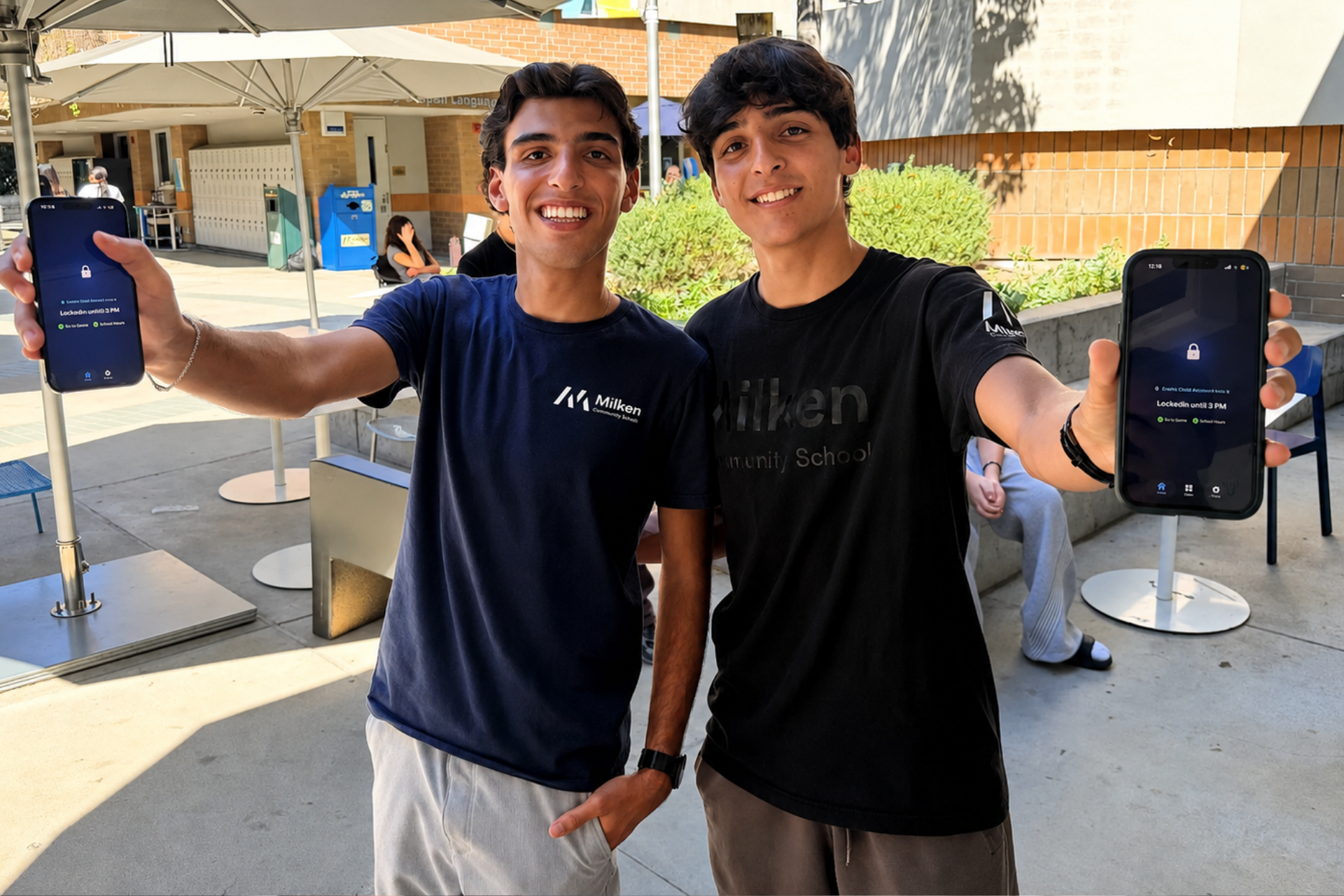
Alumni Spotlight: LockedIn
At last year’s prom Brian Ohebshalom '26 watched nearly every student in the room consumed by their phone. Milken had already tried banning phones and confining them to locked pouches on campus. None of it seemed to help. In response, now alumni, Noah Fakheri '26 and Brian Ohebshalom '26, crafted a nuanced, community driven approach to an obvious problem using tools they learned from their Milken education.
Guest Contributor: AI and Our Duty of Care
In a recent letter to his community, the President of the University of Chicago Paul Alivisatos wrote that the university has a “duty of care” to its students and employees when it comes to artificial intelligence: ”to ensure that the education offered to you is responsive to these technological developments by teaching you how to think with machines, how to think without them, and how to think about them.”